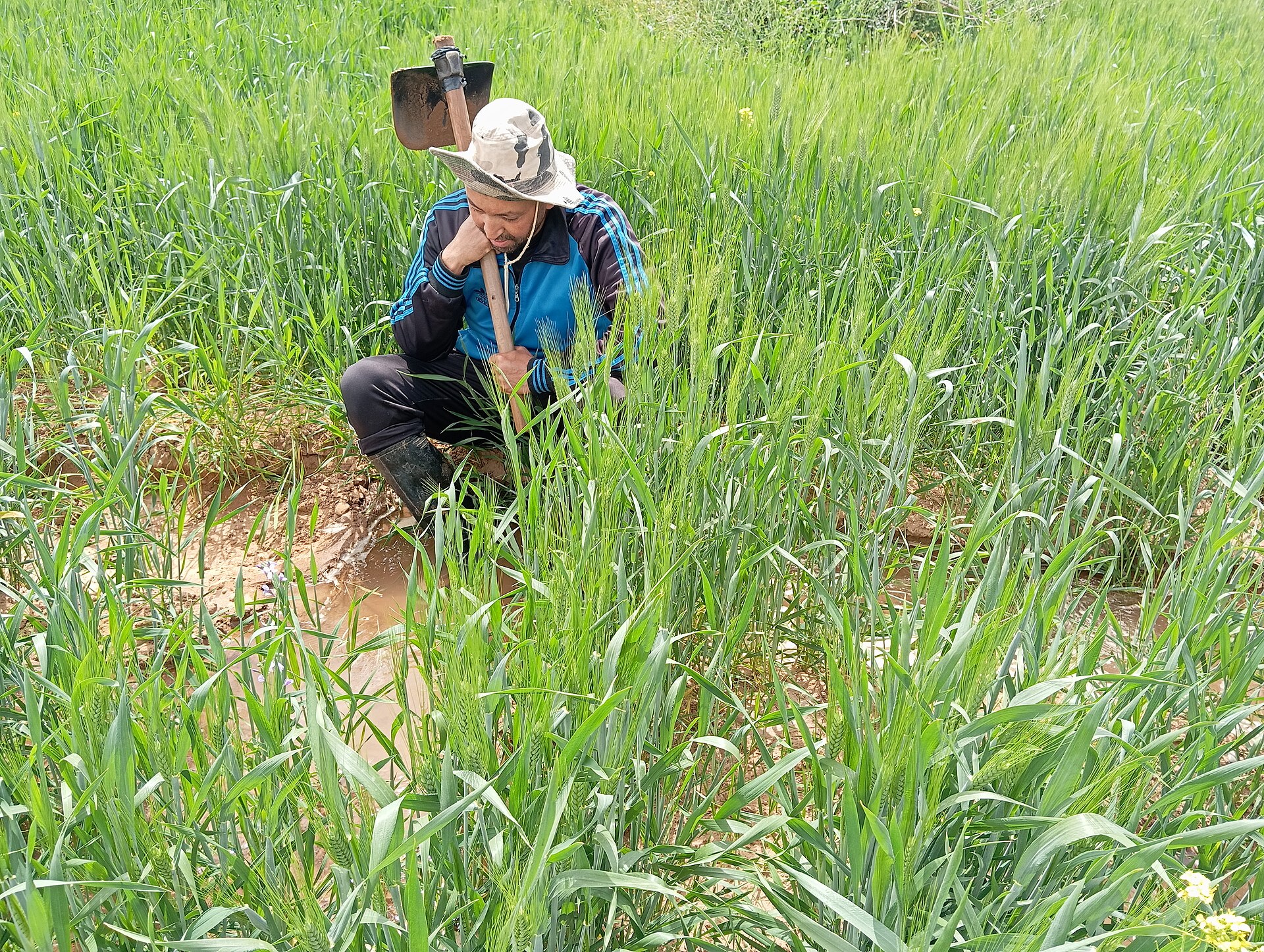
Field study in Morocco: Fès and Meknès
November 2025 (2nd fieldwork)
Fès and Meknès – Morocco
Field study in Morocco strengthening cooperation in the Mediterranean food systems
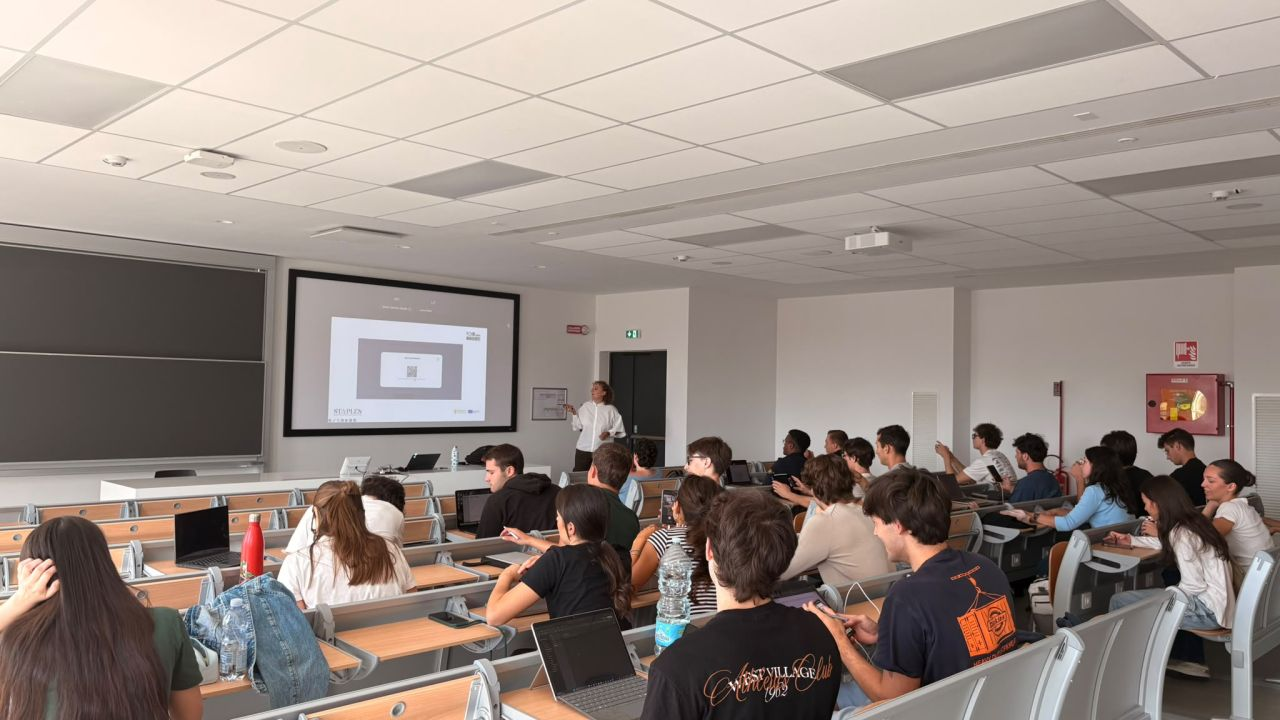
The second STAPLES field study in Morocco took place from 17 to 21 November 2025 in the cities of Fès and Meknès, two of the project’s selected research areas in Morocco. The mission, conducted under the PRIMA Partnership Programme, followed strict ethical guidelines and ensured full participant consent throughout all activities.
The field campaign was led by the University of Gastronomic Sciences – Pollenzo,, in collaboration with ASCAME, and hosted by the Fès Meknès Chamber of Commerce, Industry and Services (CCIS Fès Meknès) and the Fès and Meknès Chambers of Agriculture. The fieldwork represented a valuable opportunity to strengthen research cooperation and contributed to a deeper understanding of Mediterranean food systems.
Preparatory activities were coordinated by the Chambers of Commerce and Agriculture, who mobilised local actors, contacted interviewees, and supported the organisation of the interview sessions.
The opening remarks delivered by regional institutional representatives (the vice-president of the CCI Fès M. Mehdi Laraqui and the vice-president of the chamber of agriculture M. Abdellah Ziyani) highlighted both the objectives of STAPLES and the essential role smallholder farmers play in the agricultural value chain.
Data collection and stakeholder engagement
Across Fès and Meknès, researchers conducted semi-structured one-to-one interviews with smallholder farmers and other key stakeholders. Each interview began with the collection of biographical data and proceeded with an audio-recorded exchange conducted anonymously to ensure data protection and confidentiality.
In total, the fieldwork resulted in over 40 in-person interviews—22 in Fès and 19 in Meknès—complemented by additional written contributions from various stakeholders. The intensive participation of partners—from CCI Fès, CCI Meknès, and from University of Gastronomic Sciences—reflected a strong collaborative spirit and a shared commitment to improving the region’s agricultural performance.
This phase of data collection delivered valuable insights into the vulnerabilities and strengths of local cereal supply chains, offering a holistic view that includes institutional dynamics as well as cultural and regional interdependencies.
Towards stronger Mediterranean food systems
The activities carried out contribute directly to the broader mission of STAPLES. Working closely with farmers, institutions, and local operators allowed the project to deepen its understanding of how international cereal market shocks impact local production landscapes.
These field insights support STAPLES in:
- Enhancing the resilience of local supply chains to global volatility
- Reducing dependence on cereal imports
- Empowering stakeholders—both public and private—with evidence-based strategies and decision-support tools
Beyond technical progress, the fieldwork demonstrated exceptional engagement from local communities and institutions, marking an important step forward in fostering cooperation at regional and Mediterranean levels. This collaborative approach represents a crucial foundation for identifying more sustainable, context-specific solutions for agriculture in the region.


This article was carried out within the framework of the STAPLES project, part of the PRIMA Programme, supported by the European Union under Grant Agreement No. 2333. Views and opinions expressed are those of the author(s) only and do not necessarily reflect those of the PRIMA Foundation or the European Union, and neither of them can be held responsible for the information contained.