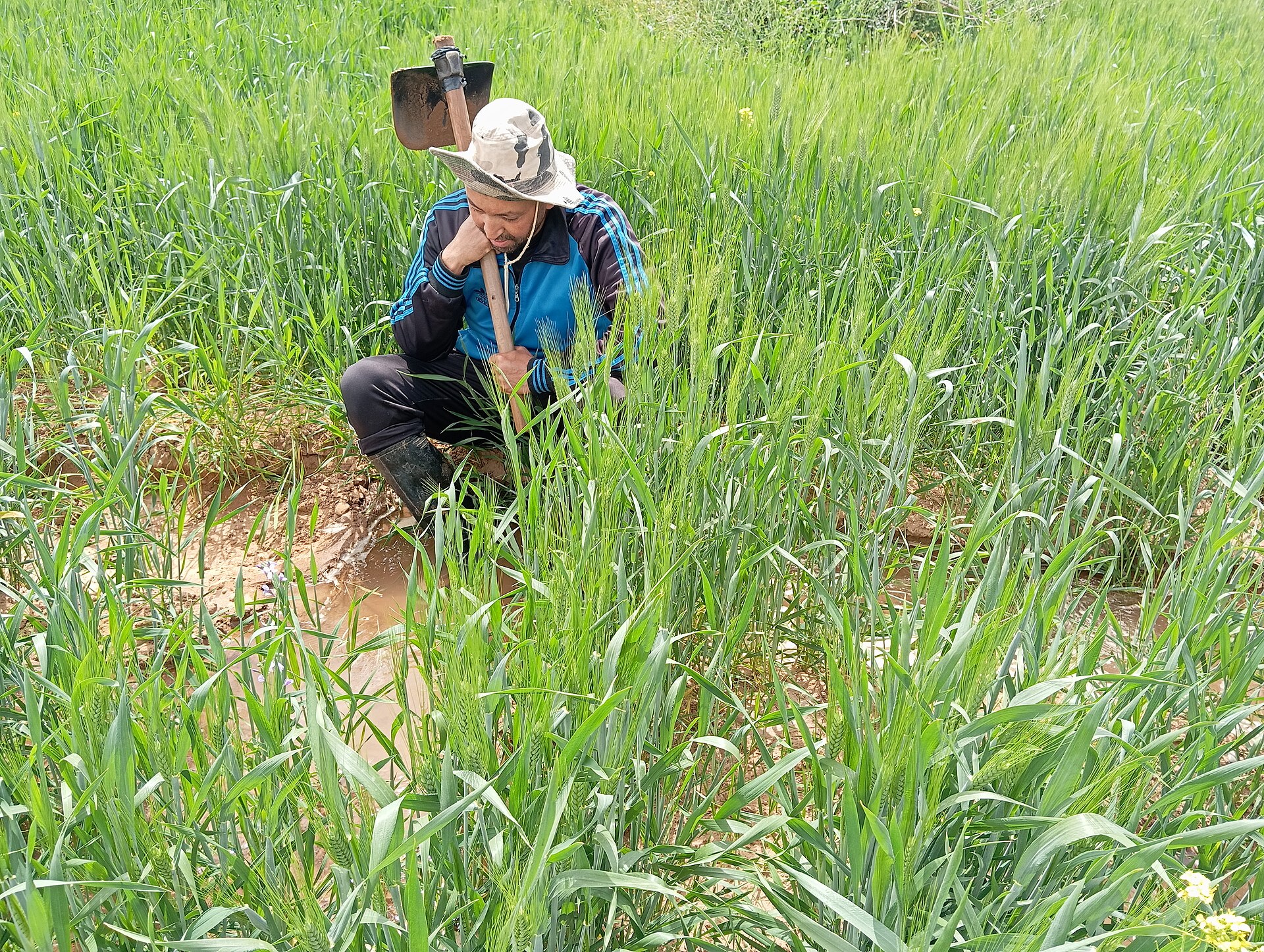
First field study in Morocco
June 2025
Rabat-Salé-Kénitra – Morocco
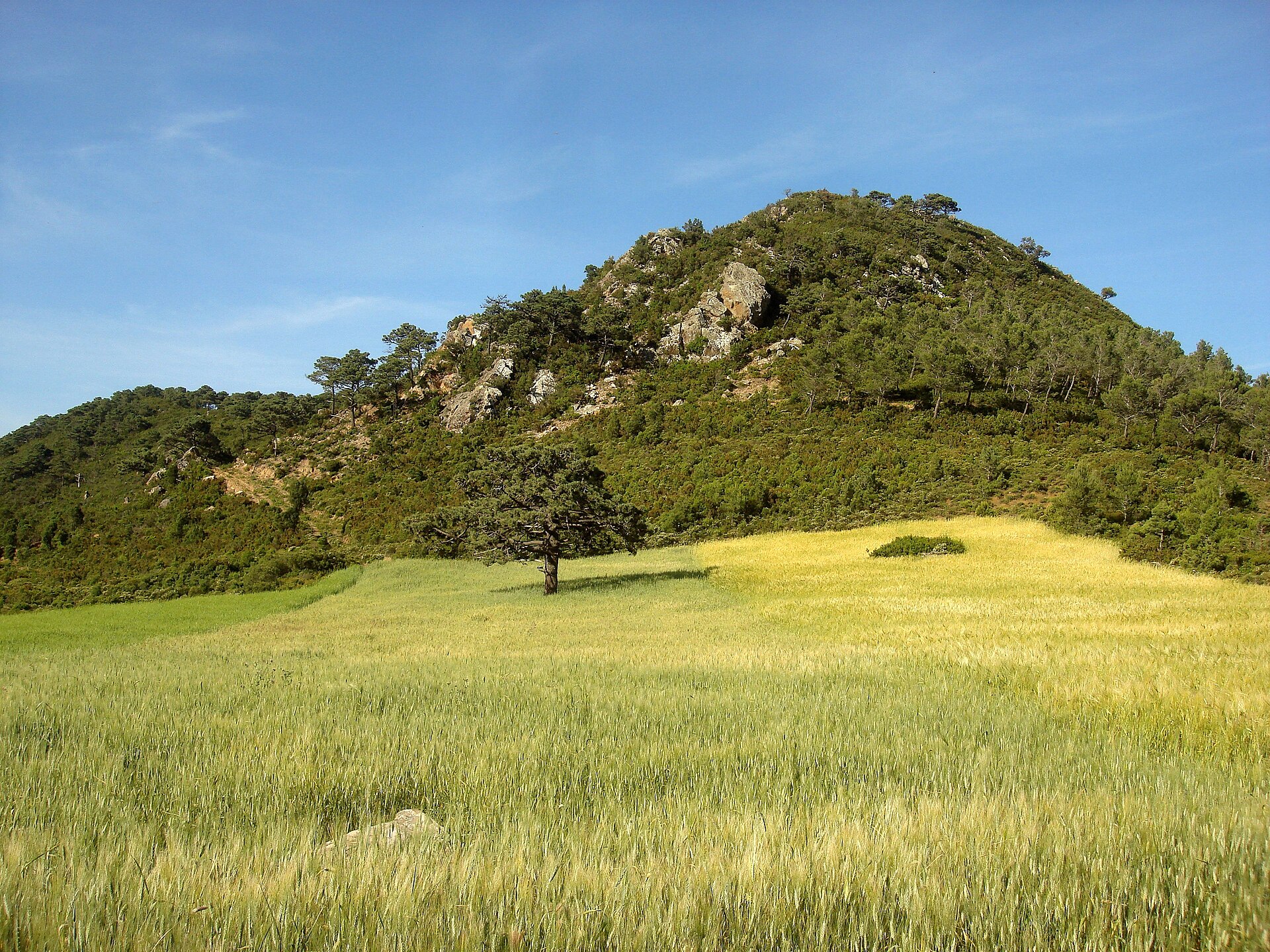
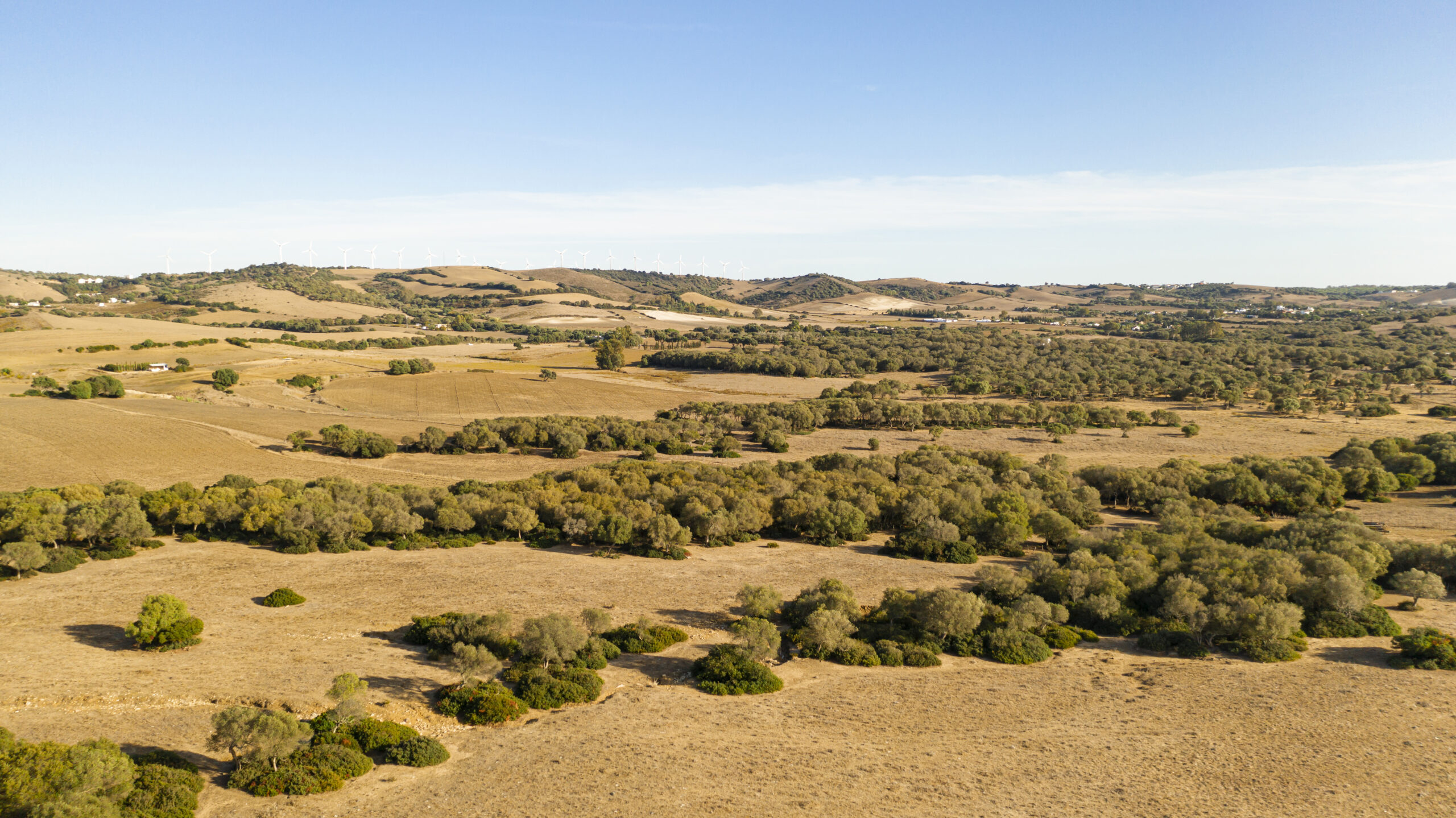
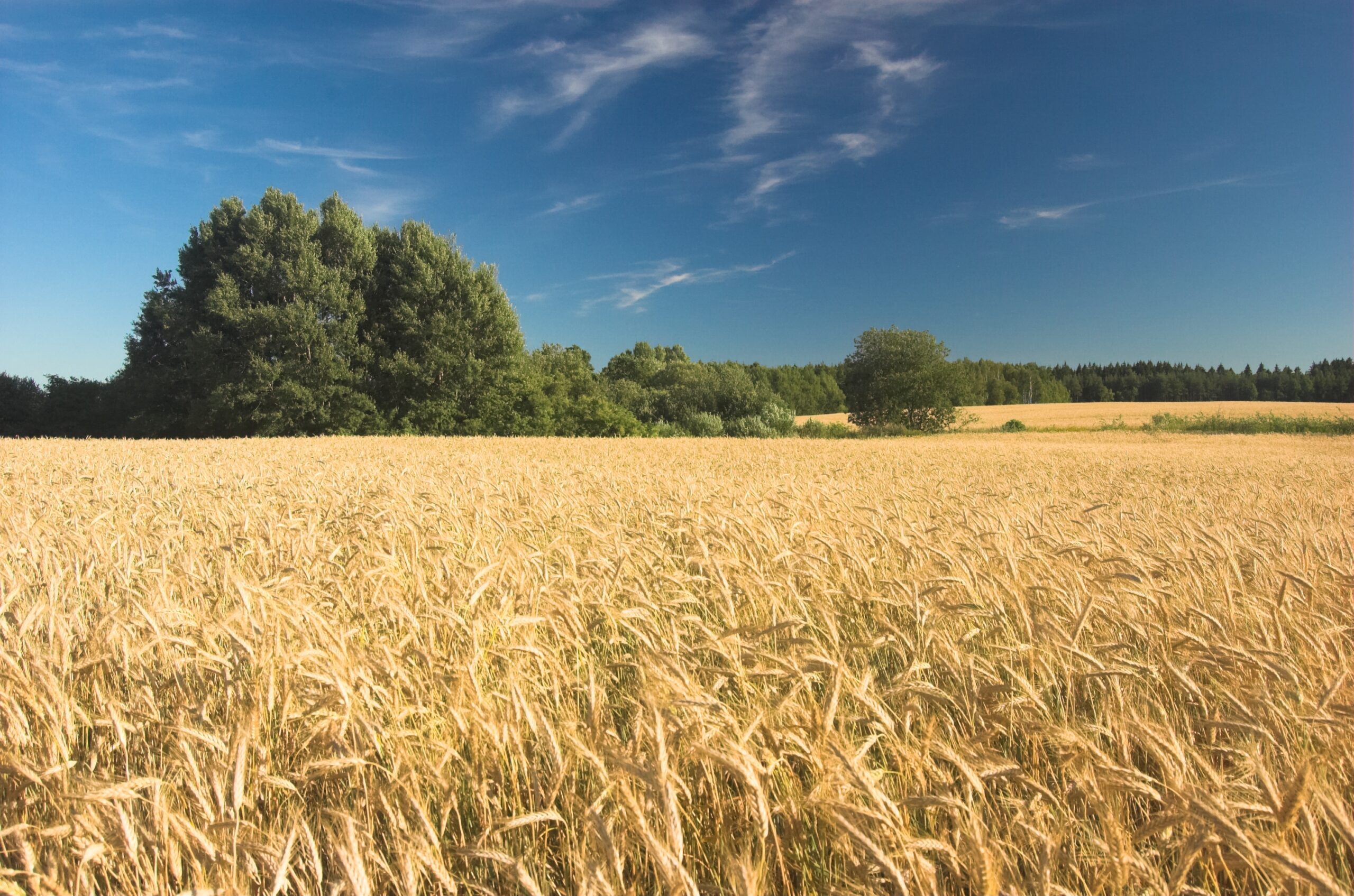
Stepping into the beautiful landscapes of Morocco, our team set out to collect firsthand stories, insights, and experiences from local smallholders and stakeholders, bringing us face-to-face with the realities of local agricultural life and the people who shape it.
Building a comprehensive dataset on cereal trade
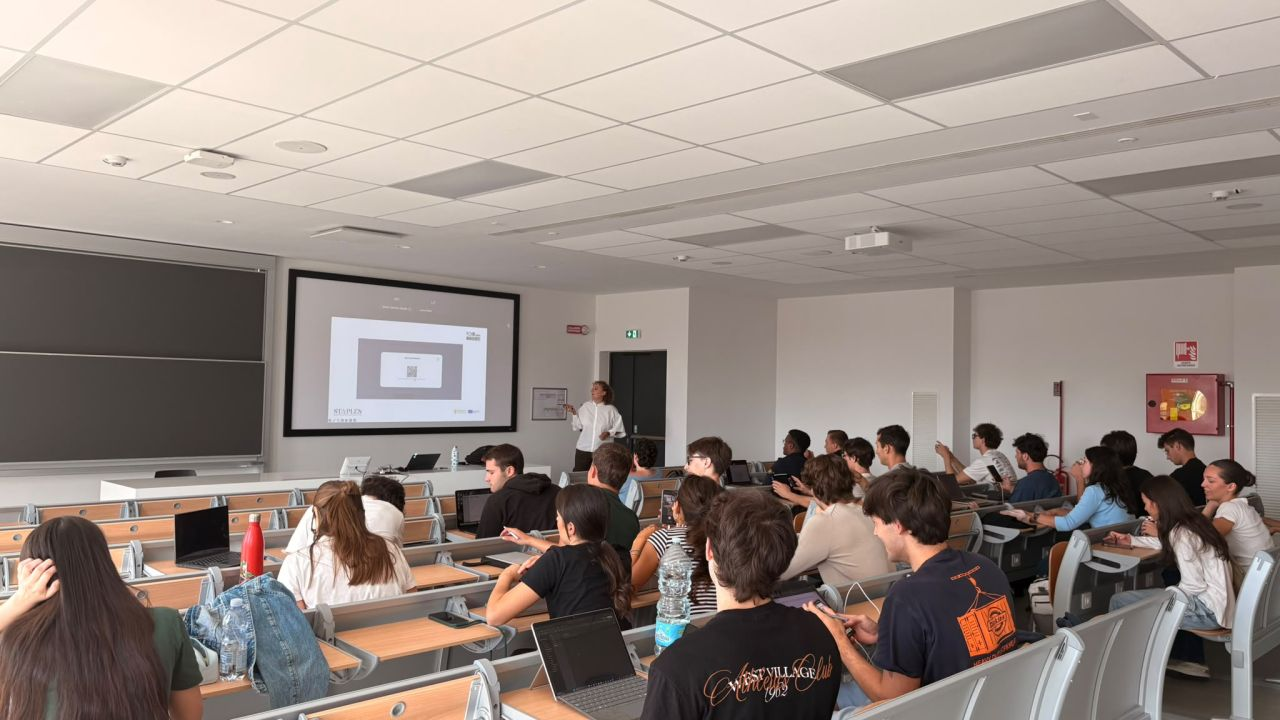
The fieldwork, made possible by the close collaboration between the University of Gastronomic Sciences – Pollenzo and the Chamber of Commerce of Rabat, with the support of ASCAME, took place from 23rd to 29th June in Rabat-Salé-Kénitra, Morocco, following the STAPLES project’s ethical guidelines and ensuring participant consent. Our team went to the Chamber of Agriculture in a village called “Sidi Kacem” to be close to the small farmers.
Our key activities revolved around one-to-one interviews with participants. We started by collecting written information about each person, including biographical details such as gender, age, and ethnicity. We then moved on to the conversations themselves, capturing their stories and experiences, while ensuring anonymity. Once the interviews were completed, the recordings were uploaded to a shared drive for transcription and translation, making them ready for detailed analysis.
Through this process, we conducted 30 interviews with small farmers, creating a rich and comprehensive dataset, aiming to provide a more holistic understanding of cereal trade in the Mediterranean region and its contribution to resilience in local agricultural systems. This approach not only highlights the role of markets and institutions but also underscores the significant impact of culture, memory, and regional relationships on food security and food stability.
Gathering insights and fostering local collaboration
The expertise and enthusiasm of local partners were instrumental in establishing strong connections on the ground and shaping the outcomes of this critical phase of the project. The main objective was to translate these firsthand experiences into actionable research, supporting smallholders and ensuring an ongoing dialogue that addresses local needs, challenges, and opportunities.