A first look by actor
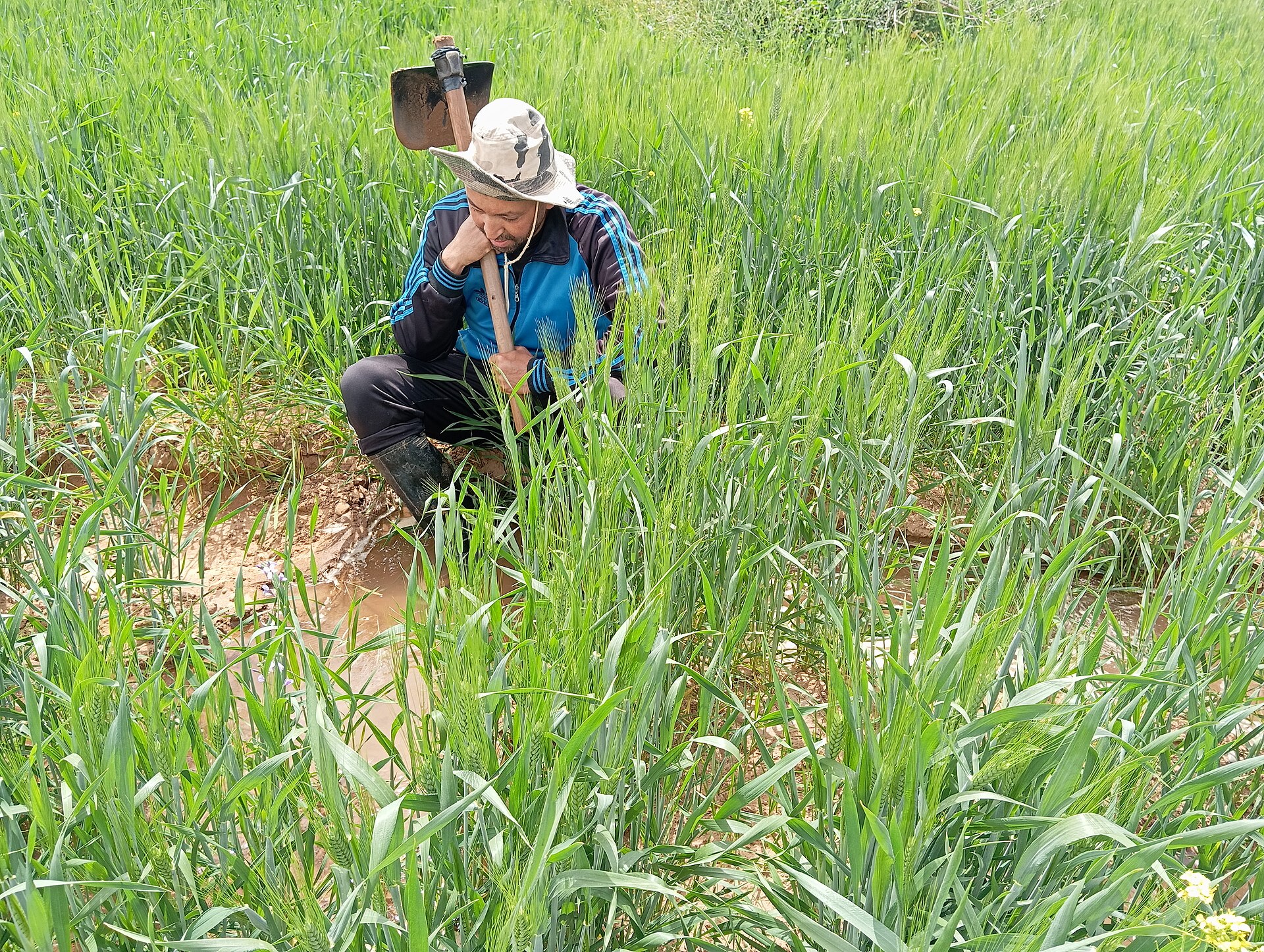
Farmers
constitute the most homogeneous segment of the sample. Sourcing structure is uniform across the group: both affected (57%) and unaffected (43%) farmers procure their inputs only from domestic suppliers (i.e. from Morocco), even when they rely on multiple suppliers. Moreover, it emerges that almost none of them adopt any resilience strategies (e.g. insurance, digital coordination within the CGVC, or input substitution), and stock buffers are thin and shrinking after 2020 (on average less than two months of input).
The performance (namely, turnover, market share and number of employees) of all the group fell in the majority of cases (78%) regardless of whether the firm reported a shock. The only affected farmer reporting the adoption of alternative routes, backup suppliers, and external financing stands out positively in terms of performance.
Importers
are the most exposed segment of the sample, affected without exception (100%). Half of them import seeds and the other half fertilizers. They all report that import and export duties and tariffs affected them (with a time to recover always higher than 6 months), and half of them mentioned also logistics disruptions and international conflict related shocks (i.e. Ukraine and Russia war).
In contrast to farmers, all importers procure their inputs from two to four countries and at least from two continents; still, this multiple sourcing strategy likely reflects the intrinsic nature of importing activity rather than a deliberate resilience choice. The whole sample doesn’t have access to alternative routes nor to external financing. Instead, they all adopted insurance and digital coordination within the CGVC after 2020, and half were able to substitute the main input even if they didn’t use it during disruptions.
The majority of firms (75%) reduced their stock buffers after 2020. The performance fell in the majority of cases (75%), as well as the product portfolio of the company, while just one single firm reported growth and simultaneously increased product portfolio (25%).
Processors
constitute the most resilient segment of the sample, with the majority not affected by shocks (64%). The sourcing structure is predominantly domestic: 73% rely on a single country (i.e. Morocco), and only a minority diversify across four to five countries each (27%).
Moreover, it emerges that the group entered the post-2020 period already well buffered — 45% hold more than six months of stock and none reduced their inventory levels. None of them had alternative routes activated but the 36% had alternative input and in one case also used it after the 2020. More than half of the sample introduced after 2020 at least some financial instruments to manage risk (e.g. currency hedging) (54%) and some also asked for financial support (18%). Lastly, they also increased the number of digital tools to manage the supply chain (54%). Overall, this class of actor is the one that most adopted resilience strategies.
Despite the many shocks that affected the sample, the performance did not fall in any firm; it rose in a substantial share of affected companies (75%) and remained stable in the remainder.
Storage operators
denote a sourcing structure that is mostly domestic (67% single-country, Morocco), with one firm sourcing across four different locations (i.e. Ukraine, Russia, Europe and Canada). Moreover, it emerges that all storage operators adopted insurance and digital coordination within the CGVC, while they reported no other resilience strategy; stock buffers differ, with 67% of firms holding more than six months of inputs and the remaining only two to three months.
The overall performance fell only in one firm and remained stable in the other two. Notably, the single firm whose performance declined was simultaneously the one exposed to shocks and operating the thinner buffer stock.
These preliminary findings suggest two patterns that warrant further testing. First, geographic concentration represents the main structural vulnerability of the value chain: approximately three-quarters of the firms (75%) source their inputs from a single country (i.e. Morocco), with importers as the only exception, sourcing from an average of three countries coming from international trade. Second, safety inventory levels emerge as a decisive resilience strategy, protecting processors and the better-stocked storage operators.
These preliminary results offer only a first snapshot, centered on Fès-Meknes. Data collection is currently going on across the region of Rabat in Morocco, and the region of Cairo and Alexandria in Egypt, allowing us to test these patterns on a larger, more representative sample and to feed robust, evidence-based insights into the STAPLES Decision Support System.