Multipurpose agricultural machine workshop
22 November 2025
Fayoum – Egypt
Strengthening transnational agri-food practices leveraging eco-friendly solutions
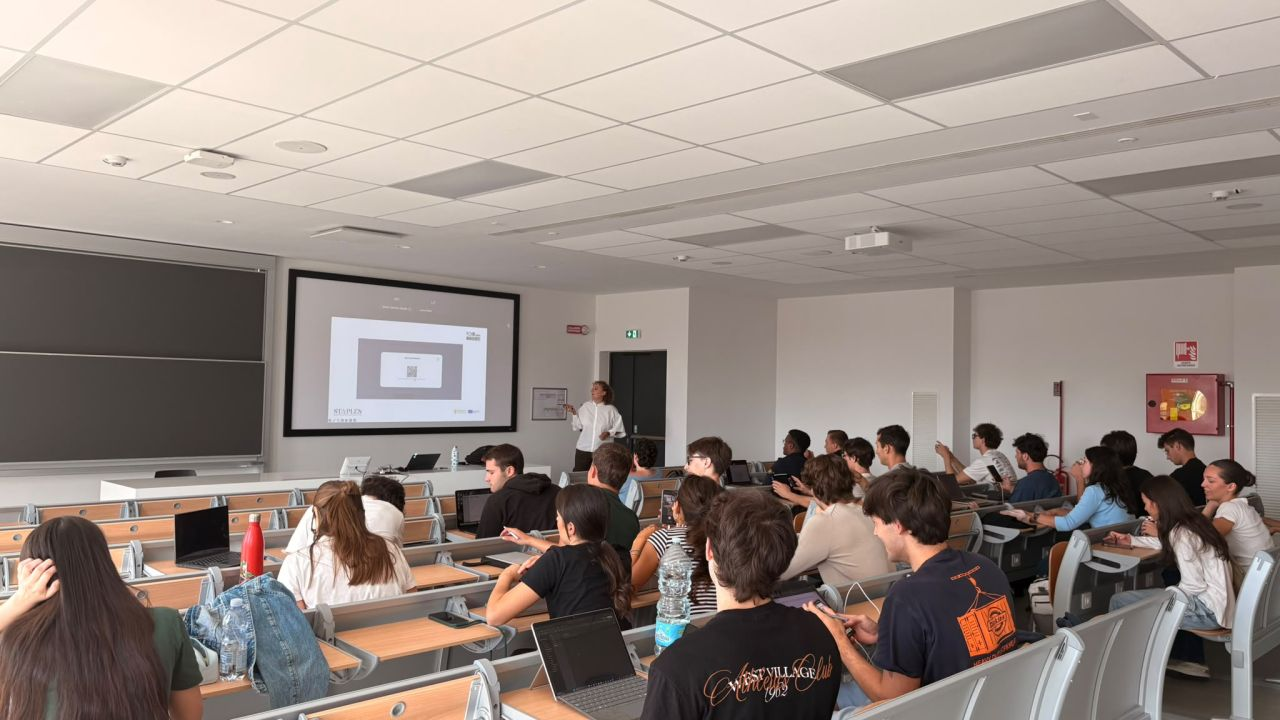
On 22 November 2025, the Fayoum Chamber of Commerce of the city of Fayoum, Egypt, hosted the second day of the two-day workshop meeting for the STAPLES Project, supporting its overall aim of improving sustainability and efficiency in the cereal supply chain across the MENA region. The event brought together over 30 local farmers, alongside representatives from universities and institutions, to discuss the main challenges and opportunities in the local agricultural sector.
Farmers also actively participated in the co-development a multipurpose modular agricultural machine designed for smallholders, sharing their insights, helping prioritize modules, and ensuring the prototype meets local needs, shaping smarter and more sustainable farming solutions.
Insights on sustainability and resilience in the MENA region
During the meeting, a clear need for mechanization emerged to increase efficiency, reduce labour challenges, and improve production quality. These insights are crucial for STAPLES, which aims to:
- Gain insight into local systems’ vulnerability to trade dynamics and global value chain shocks
- Develop innovative solutions and evidence-based recommendations to strengthen domestic production and mitigate external stressors
- Design IT tools for comprehensive monitoring, analysis, and management of cereal production and trade in MENA countries.
By aligning these objectives with the farmers’ real needs, the project ensures that its solutions are practical, sustainable, and impactful, toward supporting productivity and resilience in the farms of local agricultural producers.
Insights on mechanization and economic priorities
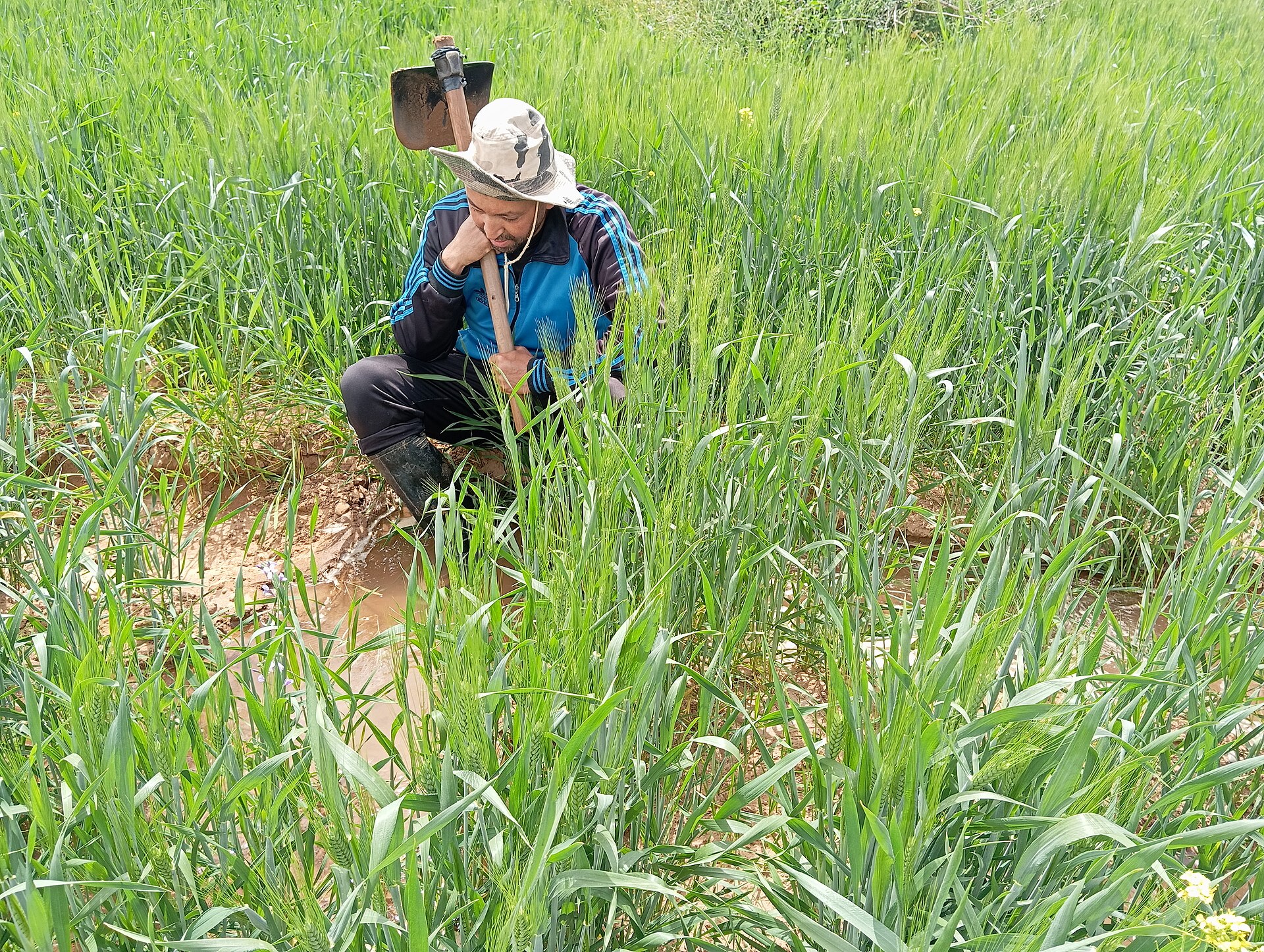
The workshop discussions, in Fayoum, Egypt generated several concrete insights and expectations from participating farmers. For example, medium- and large-scale producers emphasized the need for more advanced, integrated machinery capable of combining key harvesting phases, including reaping, binding, threshing, and straw collection, into a single, efficient process. Most farmers highlighted that mechanization remains essential not only during harvesting but also for land preparation, directly influencing labour costs, and overall profitability.
Farmers further shared details on the types of machines currently in use, those they aspire to access, and the financial considerations that shape their choices from operation to the net outcomes achieved at the end of each season. These discussions provided valuable input for refining the design and functional priorities of the multipurpose modular agricultural machine, ensuring that it responds to the practical realities and economic constraints of Egyptian farmers.
Collaboration and support from key partners
The event was facilitated by CEEBA – Confederation of Egyptian European Business Associations, a key project partner promoting collaboration among European and Egyptian businesses and collecting valuable field insights. Special support was also provided by the Fayoum Chamber of Commerce, Mr. Hazem Mahmoud Elsinosy, Ms. Dina Moawad from the University of Gastronomic Sciences – Pollenzo, the Politecnico di Milano, and Bradano – Soc. Coop. Agroalimentare e Agroindustriale del BRADANO SPA.
The Fayoum workshop marks an important milestone for STAPLES, demonstrating the project’s commitment to empowering Mediterranean farmers through innovation, sustainability, and transnational cooperation.


This article was carried out within the framework of the STAPLES project, part of the PRIMA Programme, supported by the European Union under Grant Agreement No. 2333. Views and opinions expressed are those of the author(s) only and do not necessarily reflect those of the PRIMA Foundation or the European Union, and neither of them can be held responsible for the information contained.