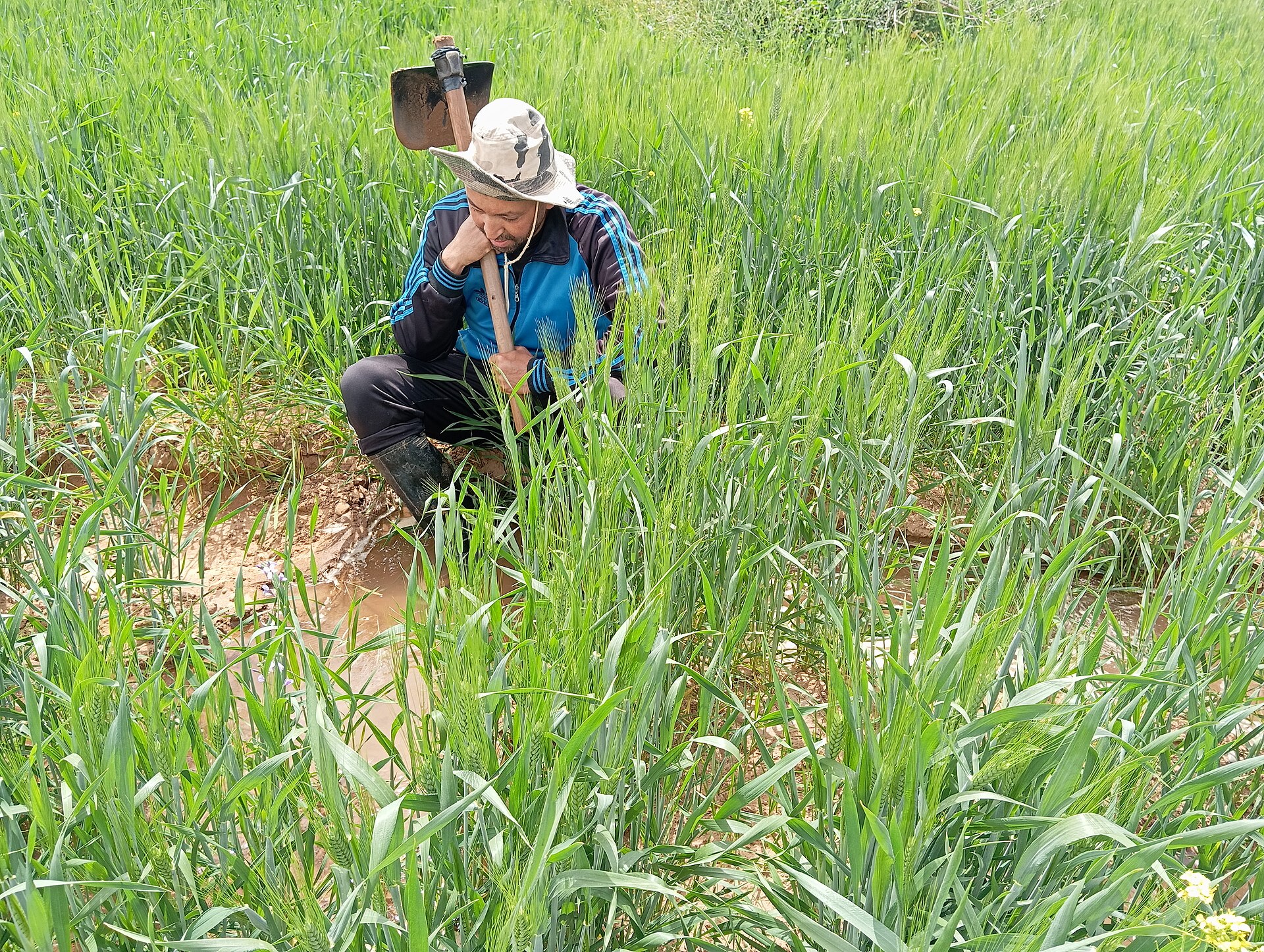
International food prices, poverty and hunger
Scientific publication – May 2025
Climate change, conflicts, and the COVID-19 pandemic have increased pressure on global food markets, raising international food prices and exposing vulnerable populations to higher risks of poverty and deprivation.
The recent study “International Food Prices, Poverty and Hunger”, co-authored by Marta Marson (Politecnico di Milano) and Donatella Saccone (University of Gastronomic Sciences – Pollenzo), is a preliminary output of the STAPLES Project. The paper analyses 117 developed and developing countries over the period 1990–2020, examining how food price shocks affect income distribution, poverty, and hunger.
These are the three main findings:
Income losses for the poorest: Food price increases negatively affect the income of the lowest percentiles and deciles, with stronger effects for the poorest among the poor.
Higher poverty and hunger: Spikes in food prices are associated with increases in poverty rates and in the prevalence of hunger, particularly in developing countries.
Not only cereals: The effects are not driven solely by cereal prices, but by the combined impact of multiple food commodity prices.
How food price shocks affect purchasing power
Food price shocks affect poverty and hunger through multiple, interconnected channels. First, rising prices directly reduce households’ purchasing power, limiting access to food. This effect is particularly severe for poorer households, which spend a large share of their income on food. While this is especially evident in urban areas, many rural households are also net food buyers—at least during part of the year—and are therefore similarly exposed to price increases. In low-income contexts, households allocate a substantial share of their income to food consumption, making them highly vulnerable to price volatility, particularly for staple products.
Income effects and limits for producers
At the same time, food price changes can influence poverty through their effects on income. Higher prices may increase earnings for those who sell food, such as some smallholder farmers. However, these potential gains are often constrained by limited market access, weak integration into supply chains, and policy responses, such as export restrictions, which can reduce opportunities to benefit from higher international prices. In many cases, producers receive low and relatively stable prices regardless of global market dynamics.
Medium-term adjustments and labour effects
In principle, higher food prices could also stimulate agricultural production and increase demand for labor, potentially raising wages and employment in rural areas. Yet, these adjustments are neither immediate nor guaranteed, and wages do not always respond proportionally to price changes. As a result, any positive effects tend to materialize only in the medium term and may not compensate for short-term losses experienced by vulnerable groups.
Uneven impacts and policy implications
Overall, food price shocks create both winners and losers, and their net impact on poverty and hunger depends on the balance between these opposing effects. Beyond household-level dynamics, they can also affect macroeconomic stability, particularly in food-importing countries, potentially leading to policy responses that further constrain growth and disproportionately affect the poorest.
Bridging existing research gaps
While existing research has largely focused on country-specific or micro-level evidence, broader cross-country analyses remain limited. Moreover, most studies concentrate on income-based poverty and domestic food prices, often overlooking differences between developed and developing economies, as well as other dimensions of deprivation. This study contributes to filling these gaps by examining how international food price shocks interact with levels of development to shape multidimensional poverty and hunger outcomes across countries.
This research is highly relevant to the STAPLES Project, as it highlights the need to develop resilient, affordable, and secure cereal systems capable of mitigating the social impacts of global market disruptions.
This article was carried out within the framework of the STAPLES project, part of the PRIMA Programme, supported by the European Union under Grant Agreement No. 2333. Views and opinions expressed are those of the author(s) only and do not necessarily reflect those of the PRIMA Foundation or the European Union, and neither of them can be held responsible for the information contained.
Cover Image by bearfotos on Magnific